A Complete Guide for Natural, Emotional Photos
Candid family photography is all about capturing real moments; laughter, connection, chaos, and love—without stiff posing or forced smiles. Unlike traditional portrait photography, candid photos tell a story and preserve genuine emotions that families will treasure for years.
In this guide, you’ll learn exactly how I shoot candid family photography, including camera settings, posing techniques, and professional tips to help you create authentic, storytelling images.
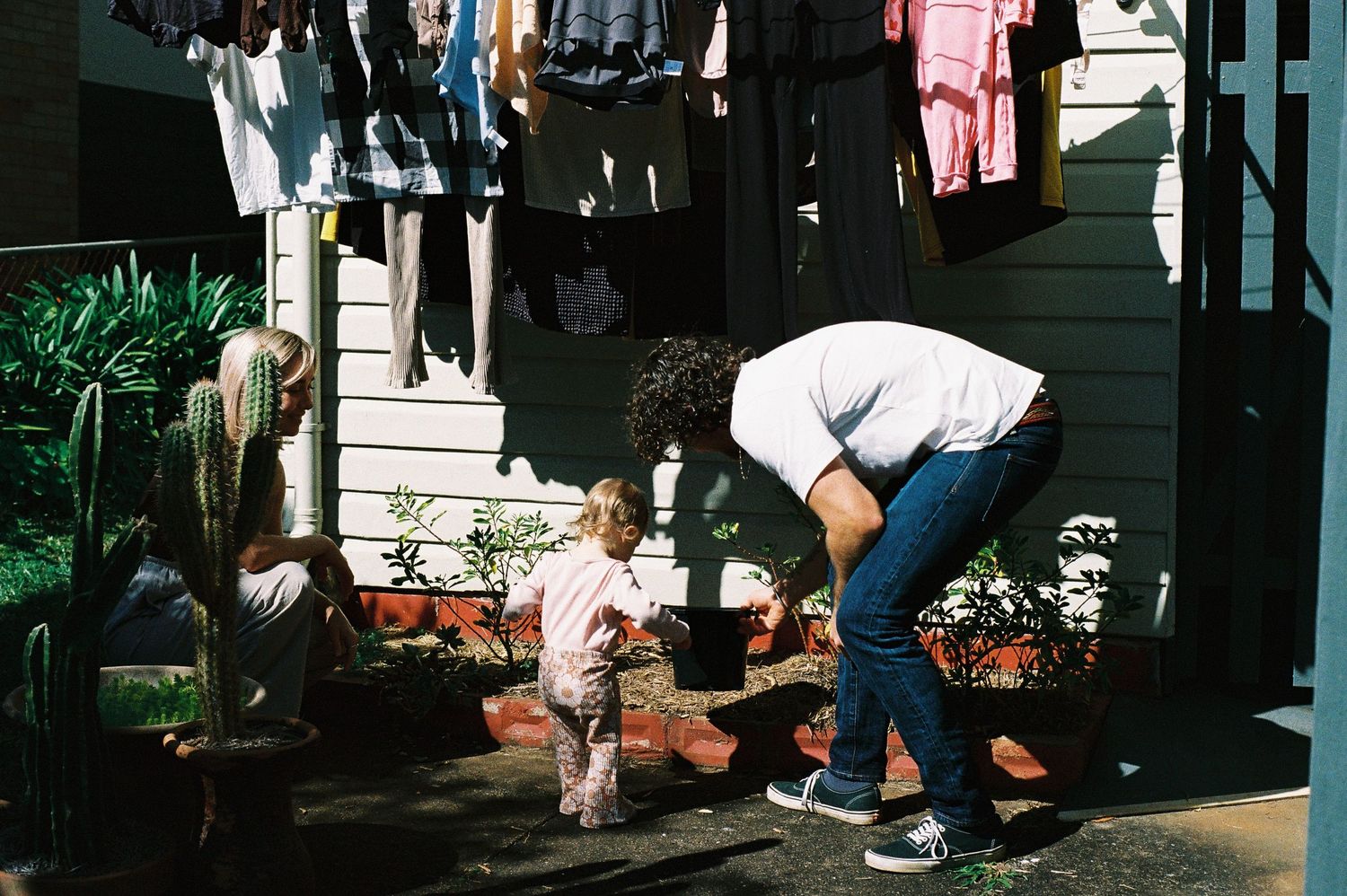
To shoot great candid family photography, the first step is creating a comfortable environment. The more relaxed people feel, the more natural their expressions will be. Spend time talking before you even lift your camera, learn names, ask light questions, and especially with children, keep things playful rather than formal. When people forget they’re being photographed, that’s when the best moments happen. This is why I love shooting people in the comfort of their own home, as it really allows everyone to relax.
Slowing down is one of the most underrated skills in candid family photography. When you rush, you tend to miss the subtle moments. By slowing down, you give families space to settle into themselves and interact naturally, and you give yourself time to truly observe what’s happening instead of constantly chasing shots. The slower your approach, the more intentional your images become, and the more genuine emotion you’ll capture.
From a technical point of view, using a wide aperture such as f/1.8 to f/3.5 helps isolate your subjects and gives that soft, professional look. A fast shutter speed is important, especially when photographing kids who are constantly moving. Lenses like a 35mm or 50mm are ideal for candid family photography (I prefer a 50mm) because they feel natural and don’t distort faces.
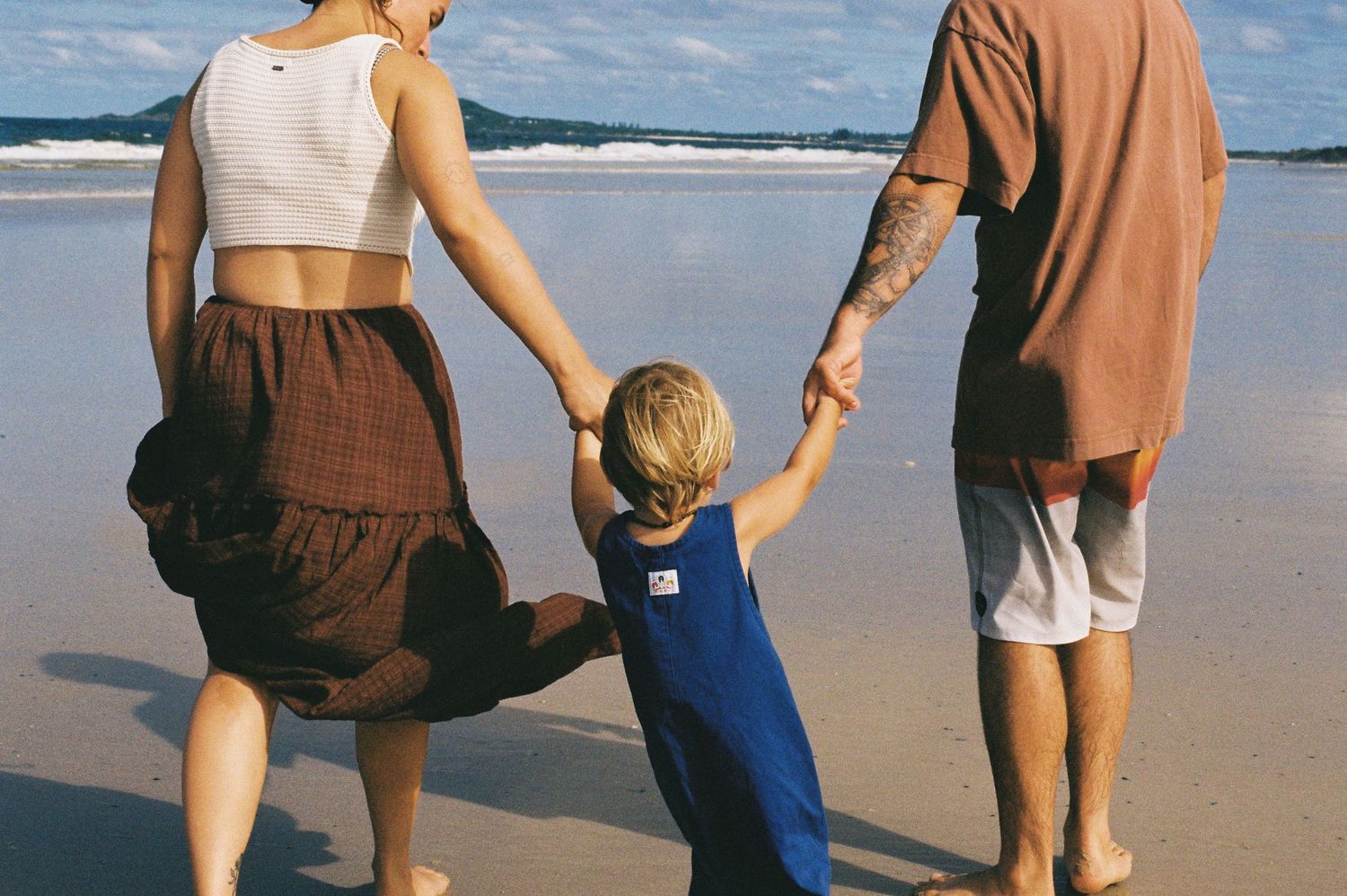
Instead of posing families, give them simple activities. Ask them to walk together, play a game, tell each other a joke, or have a group hug. These small prompts create real interaction and genuine emotion without making people feel staged. Movement naturally leads to better body language, more authentic smiles, and stronger compositions. My favorite thing to say to my clients is to just move like you usually would, I find this produces the purest of moments.
It also helps to shoot from a distance at first so moments can unfold without interruption. Think like a documentary photographer and observe before directing. Watch how family members interact with each other and be ready to capture those in-between moments—laughing, comforting, teasing, or simply being close. These subtle interactions are often more powerful than any posed shot.
Here are a few key points to remember when shooting candid family photography:
- Focus on connection and interaction, not perfect poses
- Use natural light whenever possible for a softer, more timeless look
- Anticipate moments instead of reacting to them
- Give families things to do rather than instructions on how to stand
- Keep editing natural and avoid heavy retouching
In the end, learning how to shoot candid family photography isn’t just about camera settings or techniques. It’s about building trust, being patient, and telling real stories. If people feel comfortable and present, your photos will naturally reflect genuine emotion—and that’s what makes candid family photography so powerful.